

Permit-Ready Routing and Interface Clarity: Silicon Valley Christian Assembly Worship Facility – Santa Clara, CA
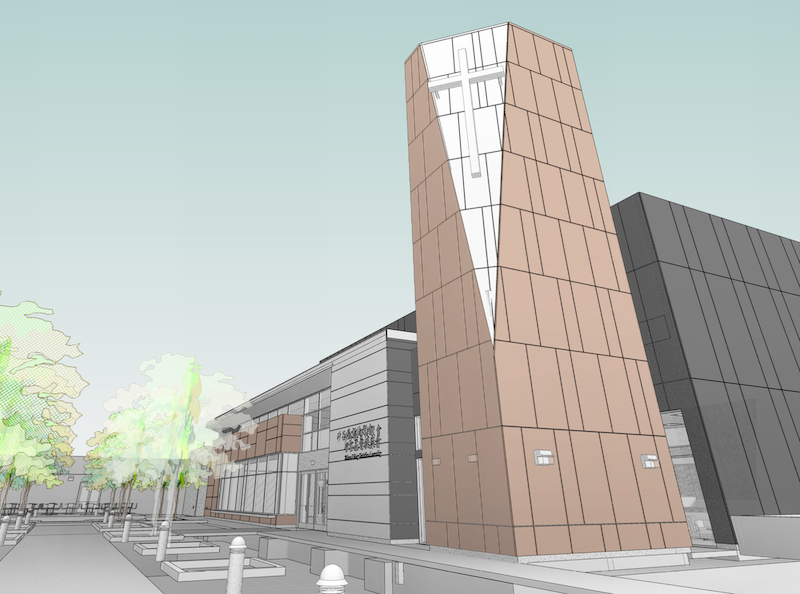
Image Credit: Studio San Architects
At a Glance
Pragmatic PE set schematic MEPF direction for a new worship and gathering building while keeping campus operations and future expansion options in view. Early alignment on utility interfaces and distribution reduced coordination risk for the GC and protected owner flexibility.
Project Specifications
Category: Places of Worship
Overall Area: 20,000 ft²
Services Provided: Mechanical, Electrical, Plumbing, Fire Protection
Completion Date: 2026
Owner: Silicon Valley Christian Assembly
Project Description
Lead
Silicon Valley Christian Assembly advanced a new worship-focused building and related site improvements on an active campus. Pragmatic PE developed schematic MEPF concepts that connected building needs to practical campus tie-in pathways and maintainable service access. Decisions prioritized clear interfaces, coordinated routing intent, and flexibility for future changes without creating late-stage surprises.
Scope of Work
Pragmatic PE provided schematic MEPF services and planning support documentation.
Mechanical
Developed HVAC system options to support early owner selection and downstream coordination.
Coordinated conceptual zoning and distribution layouts with the evolving worship and support space plans.
Electrical
Reviewed existing utility history and campus loading context to inform a viable distribution approach.
Developed schematic power and lighting concepts with a whole-building single line to frame interfaces and pathways.
Plumbing and Fire Protection
Defined domestic water, hot water, sanitary, condensate, and drainage concepts with clear connection intent for current and future needs.
Established sprinkler design intent and coordinated AHJ-facing direction consistent with schematic deliverables.
Challenges and Solutions
Constraint: Future fit-out decisions could shift utility demands and routing priorities.
Response: Kept connection points and pathways visible at schematic stage to preserve flexibility and reduce rework risk.
Constraint: HVAC strategy selection carried infrastructure and operational implications.
Response: Documented option impacts clearly enough to support timely owner selection and coordinated follow-on work.
Results and Impact
Improved preconstruction clarity by defining campus tie-in intent and key interface zones early.
Reduced coordination risk by aligning distribution pathways with architectural planning before downstream detailing.
Supported schedule stability by enabling timely owner decisions on major system direction.
Protected long-term maintainability by keeping service access and future change pathways part of early planning.