Utility Dependency Contained to Protect Schedule: Bloom Energy Fuel Cell Yard - San Jose, CA
At a Glance
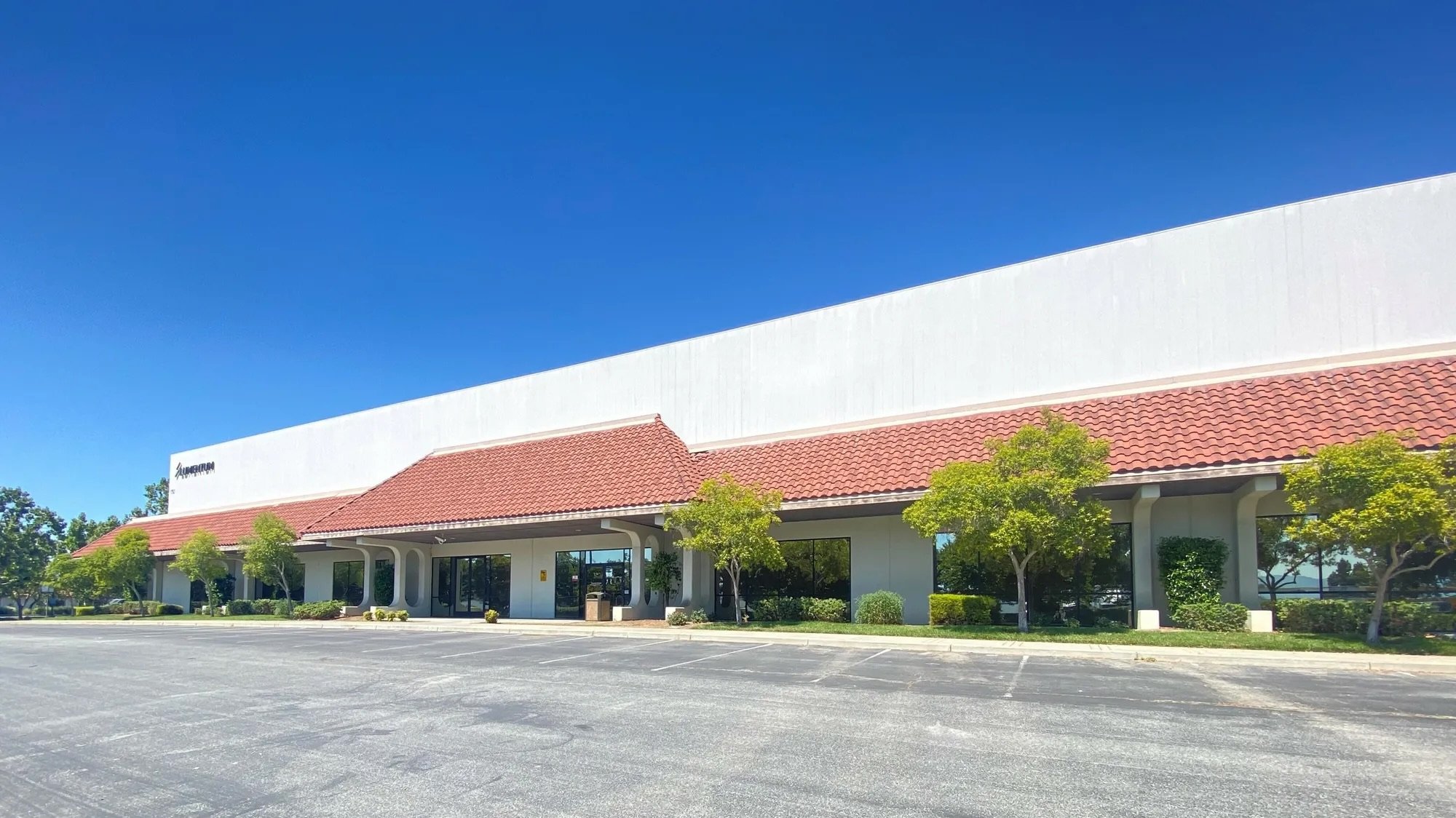
A fuel cell yard expansion brought multiple manufacturer-furnished piping systems onto an operating facility with no clear division between vendor-supplied connections and engineer-of-record work. Pragmatic PE drew those boundaries in the permit documents, giving the contractor a defined scope basis and protecting the owner from gaps that typically surface during construction.
Project Specifications
Category: Industrial
Location: 1750 Automation Parkway, San Jose, CA 95131
Services Provided: Plumbing and Electrical Engineering
Completion Date: 2026
Tenant: Bloom Energy
Contractor: Megawatt Construction
Project Description
Lead
A fuel cell yard expansion at 1750 Automation Parkway added Bloom Energy fuel cell units to an operating facility, introducing natural gas, filtered water, maintenance water, and sanitary drainage systems that each crossed between licensed engineering scope and manufacturer-furnished connections. Without explicit boundary documentation, those handoff points would have been left to interpretation during permit review and construction. Pragmatic PE defined the termination of engineer-of-record work at each interface in the permit set, closing the gap before it reached the field.
Scope of Work
Pragmatic PE provided plumbing engineering services for the fuel cell yard and new electrical room addition at 1750 Automation Parkway.
Plumbing
• Developed natural gas distribution from the new meter to the gas distribution units, documenting scope termination points ahead of manufacturer-furnished fuel cell connections
• Designed domestic water filtration and filtered water piping to the distribution unit, with the scope boundary established at the unit to reflect manufacturer delivery responsibility
• Coordinated hose bib and service water connection layout to support ongoing maintenance access throughout the yard
• Defined sanitary sewer drain connections for the yard, with scope clarifications documented around byproduct discharge routing
Challenges and Solutions
Constraint: Manufacturer-supplied piping segments created undefined handoff points between vendor scope and engineer-of-record drawings, introducing risk at both permit review and field construction
Response: Pragmatic PE documented explicit scope boundaries at the distribution units in the permit set, separating licensed engineering work from manufacturer-furnished connections before submission
Constraint: PG&E coordination for the new gas meter introduced a long-lead utility dependency outside the engineering team's control
Response: The permit set was structured to allow engineering work to proceed independently, with PG&E coordination assigned to others and assumptions documented to protect the schedule
Results and Impact
• Permit submission proceeded without scope ambiguity because boundary conditions between engineer-of-record work and manufacturer connections were resolved in the drawings before review.
• The contractor received a permit set with defined termination points at each vendor interface, reducing the likelihood of field-discovered scope gaps.
• Schedule exposure from the PG&E meter coordination was contained by structuring the engineering work to advance independently of the utility approval.
• Maintenance access at the yard was preserved through deliberate coordination of service water connections, reducing long-term operational risk for the facility.