Plumbing & Process Piping
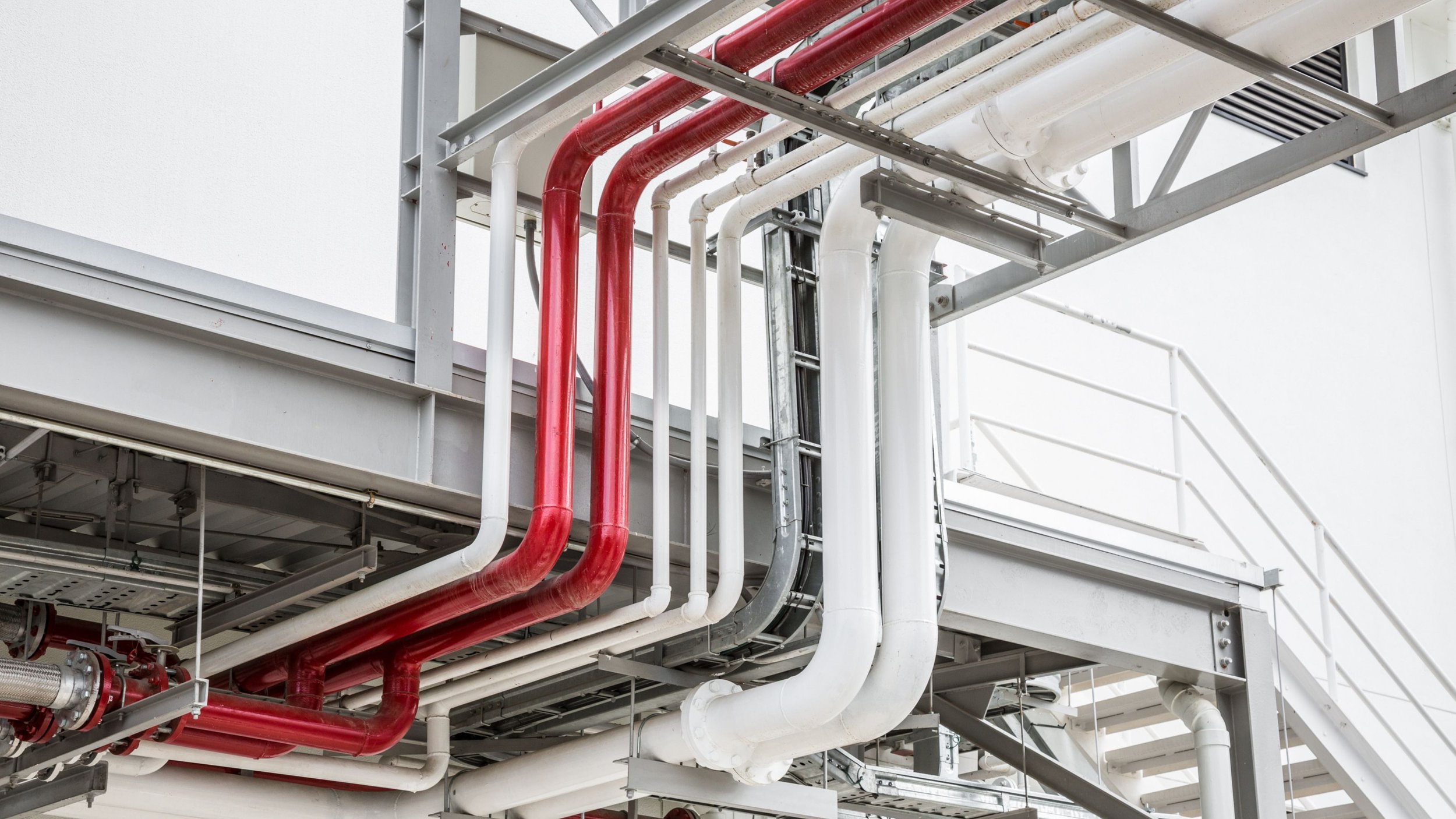
Pragmatic Professional Engineers provides plumbing and process piping engineering for new construction, tenant improvements, renovations, and facility upgrades. We design building plumbing systems and specialized utility systems for commercial, healthcare, laboratory, manufacturing, multi-unit residential, and other complex facilities.
Our team works closely with architects, owners, contractors, and the other engineering disciplines to develop coordinated, code-conscious designs that support the facility’s operational needs. From domestic water, sanitary waste, hot water, storm drainage, and gas piping to clean dry air, process gases, RO/DI water, and laboratory utilities, we help clients address both everyday building services and specialized process requirements.

Our Capabilities
Plumbing Systems
Domestic water distribution, booster systems, break tanks, hydropneumatic tanks, backflow prevention, and submetering
Sanitary waste, vent, pumped waste, sump systems, sewage ejectors, grease waste, and interceptors
Centralized and decentralized domestic hot-water systems, storage, recirculation, and heat-pump water heaters
Storm drainage, roof drainage, and overflow systems
Rainwater harvesting, graywater, and recycled-water systems
Natural gas and propane distribution, including pressure regulation, emergency shutoff, and utility coordination
Medical gas systems for healthcare facilities
Emergency shower, eyewash, and tepid-water systems for laboratory, manufacturing, and healthcare facilities
Water-efficient plumbing design, fixture selection, and CALGreen- or LEED-related support
Existing-system assessments, upgrades, and retrofit design
Process Piping and Utility Systems
Clean dry air, compressed air, vacuum, and other pneumatic utility systems
Process gas piping, including inert and hazardous gas systems, generators, storage, and changeover manifolds
RO/DI, purified water, and other laboratory or manufacturing water systems
Process cooling water and chilled-water systems
Steam equipment and distribution systems for laboratory and food-service applications
Laboratory and industrial waste systems, including acid-waste storage and neutralization
Equipment selection, piping sizing, routing, and multi-disciplinary design coordination
Project Highlights
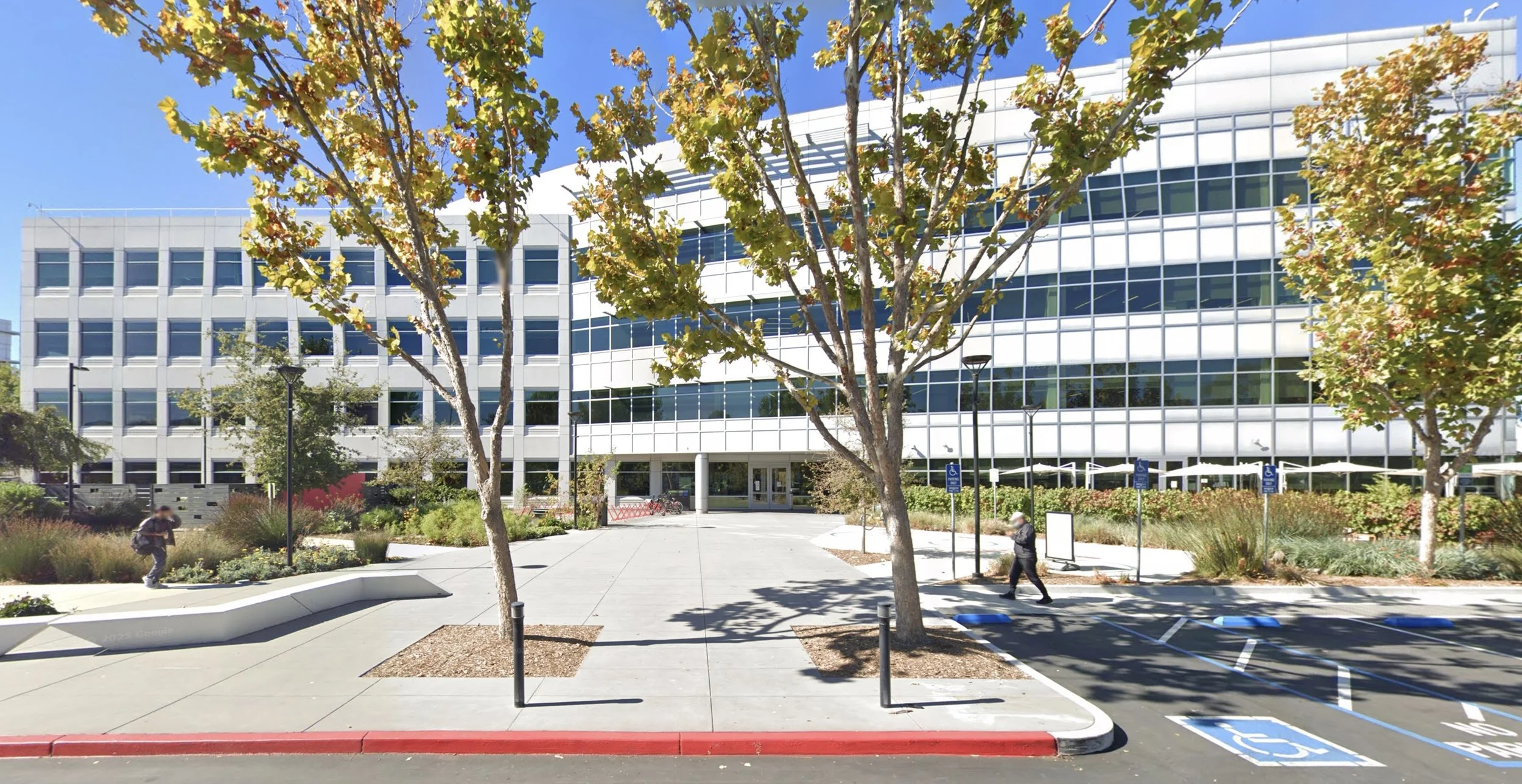
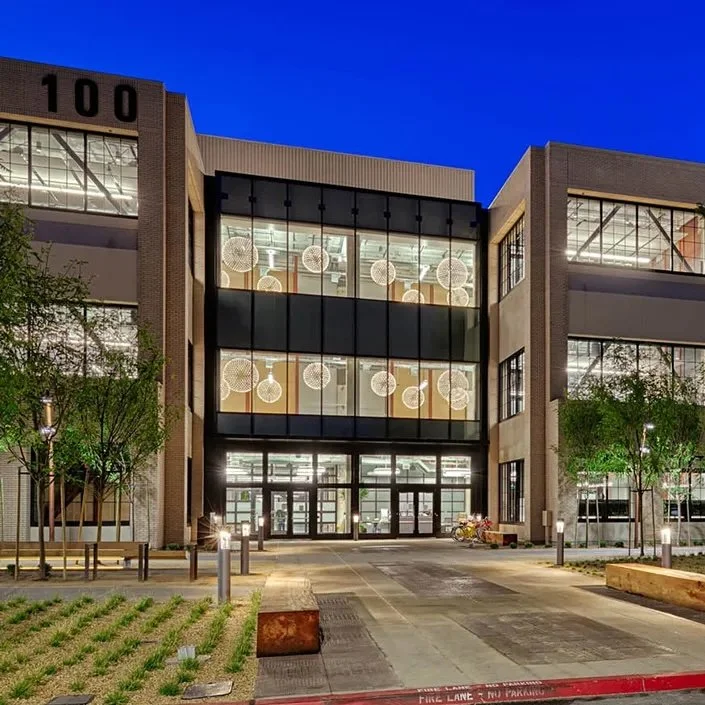
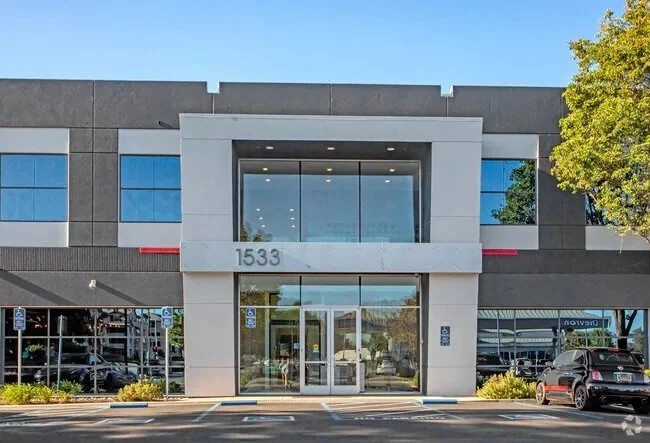
Explore project highlights that demonstrate plumbing and process piping engineering for laboratory, healthcare, and other complex facilities, including specialized utilities and coordinated multi-disciplinary design.
Frequently Asked Questions
What plumbing and process piping services does PPE provide?
We provide engineering for building plumbing systems, including domestic water, sanitary waste and vent, hot water, storm drainage, natural gas, medical gas, and water-efficiency measures. We also design specialized process utility systems such as compressed air, clean dry air, vacuum, process gases, RO/DI water, process cooling water, and laboratory waste systems.
What types of facilities does PPE support?
We support commercial, healthcare, laboratory, manufacturing, multi-unit residential, education, and other facilities. Our approach is tailored to the building’s use, applicable codes, available utilities, equipment requirements, and coordination needs.
Can PPE design plumbing and process piping for laboratory or clean-room projects?
Yes. We can support laboratory and clean-room projects that require specialized utilities, such as clean dry air, vacuum, RO/DI water, process gases, industrial waste, and process cooling systems. We coordinate these utilities with the building’s plumbing, mechanical, electrical, architectural, and civil design.
Does PPE provide multi-disciplinary engineering services with plumbing and process piping?
Yes. We can provide plumbing and process piping design as part of a coordinated multi-disciplinary engineering effort that also includes mechanical/HVAC, electrical, fire protection, BIM, and commissioning services. This helps the project team coordinate interconnected systems and design decisions across disciplines.
Can PPE help with existing-building plumbing or process-utility upgrades?
Yes. We assess existing conditions and develop designs for renovations, tenant improvements, capacity upgrades, equipment changes, and code-related improvements. The appropriate scope depends on the facility’s condition, records availability, operational constraints, and project goals.
How does PPE coordinate plumbing work with civil and utility providers?
We coordinate points of connection, utility requirements, site constraints, and related design responsibilities with the civil engineer and utility providers as applicable. Early coordination can help identify service limitations and avoid conflicts between site and building systems.