Capacity-First Design Keeps Clean Room Tool Addition on Schedule: Google MAT3 - Sunnyvale, CA
At a Glance
A new probe station was added to an occupied first-floor clean room by tapping into existing clean dry air and vacuum infrastructure, avoiding new equipment procurement and the schedule risk that comes with it. Confirming capacity of the existing system before committing to the connection point protected the owner from a late-stage redesign.
Project Specifications
Category: Laboratories
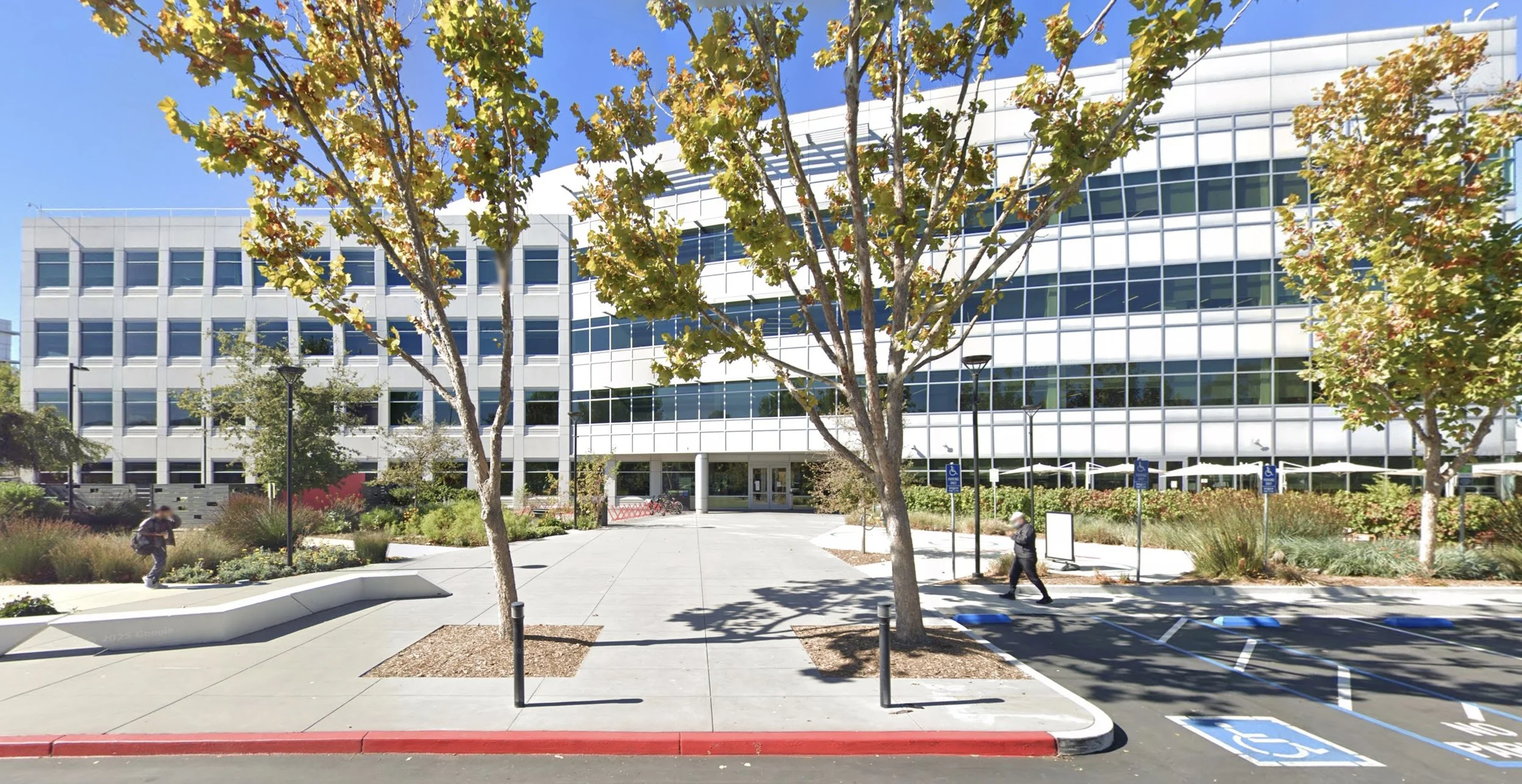
Location: 1220 North Mathilda Ave, Sunnvayle, CA
Overall Area: 700 ft²
Services Provided: Process Piping
Completion Date: 2026
Owner: Google
Contractor: O. C. McDonald
Project Description
Lead
An active clean room environment at 1220 North Mathilda Avenue required a new CM300 probe station to be connected to existing process utility infrastructure without disrupting surrounding lab operations. The scope touched clean dry air and vacuum distribution, with the central question being whether existing systems could absorb the additional tool load. Pragmatic PE documented the existing conditions and defined the distribution routing to resolve that uncertainty before construction began.
Scope of Work
Pragmatic PE provided process piping engineering and design services for this project.
Process Piping
• Reviewed as-built documentation and tool cutsheet data to confirm existing CDA and vacuum infrastructure could support the new probe station without equipment upgrades.
• Developed clean dry air and vacuum distribution routing on a partial process piping floor plan, coordinating connection points down to the new tool location.
Documentation and Permitting
• Produced a process piping basis of design establishing flow and pressure parameters for both the CDA and vacuum systems serving the CM300.
• Prepared permit-ready construction drawings and responded to plan check comments to advance the project through agency review.
Trade Coordination
• Coordinated process piping routing with architectural, structural, and electrical trades to avoid conflicts in the existing clean room ceiling and floor infrastructure.
• Defined point-of-use pressure regulator locations to manage delivery pressure variation across tool connection configurations.
Challenges and Solutions
Constraint: Existing process piping trend data was unavailable at the time of design, leaving system capacity unverified.
Response: Pragmatic PE documented the known infrastructure characteristics against the tool cutsheet and structured the design around confirmed existing equipment, flagging the capacity assumption explicitly so the owner retained visibility into the risk.
Constraint: The work occurred in an active clean room where routing options were constrained by the existing installation pattern.
Response: Final connections were aligned to match existing tubing configurations, reducing field deviation and protecting clean room protocol during installation.
Constraint: No new CDA or vacuum equipment was included in scope, requiring the design to work within what was already in place.
Response: Distribution routing and connection details were developed to the existing valve locations, keeping the install within the footprint of the current infrastructure.
Results and Impact
• Permit-ready drawings were produced on an accelerated schedule by structuring the work into defined review milestones, reducing time between design and agency submittal.
• Capacity risk was contained early by anchoring the design to verified tool cutsheet data rather than assumed system performance.
• Clean room disruption during installation was reduced by designing the final connection to match the existing tubing configuration, limiting the scope of field work.
• Owner coordination overhead was reduced by consolidating all process piping documentation, Google project requirement forms, and construction details into a single permit package.