

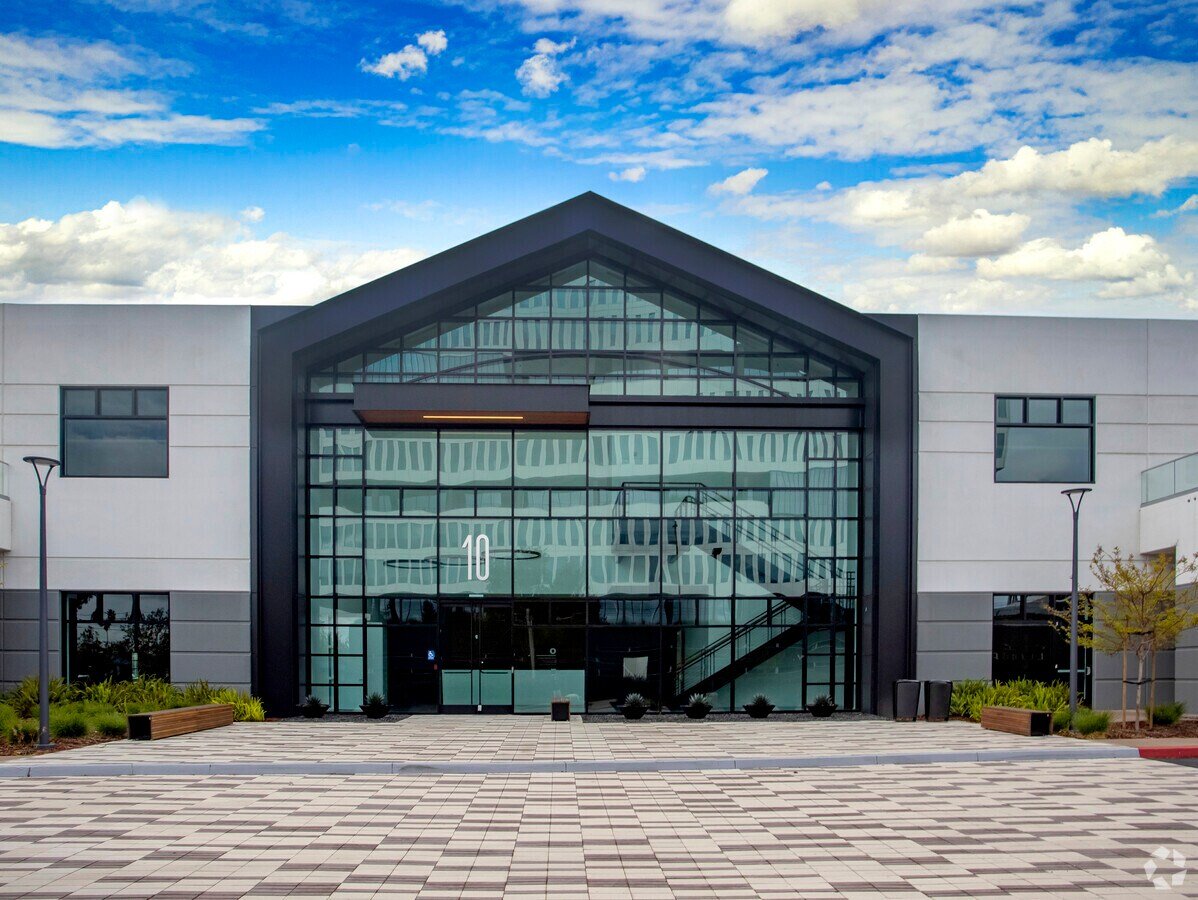
At a Glance
A two-story tenant improvement for Archer Aviation split mechanical, electrical, plumbing, and fire protection work across four distinct permit phases, each with different delivery models - peer review on the first floor and full engineering on the second. Structuring the scope this way protected the owner from permit delays caused by cross-phase interference and gave the mechanical contractor a clear, documented path to resolution at each stage.
Project Specifications
Category: Commercial and Industrial
Overall Area: 68,197 ft²
Services Provided: Mechanical, Electrical, Plumbing, and Fire Protection
Completion Date: 2025
Owner: Archer Aviation
Contractor: ATS
Project Description
Lead
10 West Tasman Drive presented an unusual delivery structure: a first-floor mechanical shop and lab build-out where a separate contractor held design responsibility, and a second-floor office renovation where Pragmatic PE provided full engineering. Coordinating across those two delivery models - peer review on floors one and full design on floor two - required clear documentation of scope boundaries to prevent gaps at permit submission. The phased approach kept each area on an independent permit track, reducing the risk that first-floor lab complexities would delay the second-floor office turnover.
Scope of Work
Pragmatic PE provided MEPF engineering and peer review services across four permit phases for the first and second floor tenant improvement at 10 West Tasman Drive, San Jose, CA.
Mechanical / HVAC
• Reviewed mechanical basis of design documents and permit drawings for the first-floor mechanical shop and remaining first-floor areas, issuing structured comment memos with markup appendices to give the mechanical contractor an actionable resolution path
• Developed full HVAC load calculations, equipment schedules, zoning plans, duct layouts, terminal unit locations, and hot water branch piping plans for the second-floor office build-out
Electrical
• Documented lighting and power plans, roof equipment power, panel schedules, single-line diagrams, and photometric checks across all three first-floor permit phases and the second floor, including a new distribution panel for the mechanical shop area
• Generated Title 24 indoor lighting and power distribution forms for each phase independently to support phased permit submissions
Plumbing
• Reviewed fixture unit calculations for domestic water, sanitary waste, and sanitary vent services on the first floor, and coordinated RO/DI water and clean dry air equipment selection — including recirculation pumps, air compressors, dryers, filtration, and storage — for the lab and shop areas
• Performed full plumbing engineering for the second-floor office, coordinating fixture types for break rooms and bathrooms and confirming domestic water and sanitary service loads
Fire Protection
• Built fire sprinkler models in Revit or AutoSprink incorporating existing as-builts, then updated sprinkler coverage for each reconfigured column bay zone on the first floor and throughout the complete second floor
Challenges and Solutions
Constraint: First-floor mechanical and plumbing engineering was held by a separate contractor (ATS), creating a risk that permit comments would stall without a clear resolution owner
Response: Pragmatic PE issued structured written memos with PDF drawing markups for each peer review phase, giving ATS a traceable, issue-by-issue record to work from rather than a list of general redlines
Constraint: Four permit phases with staggered delivery windows meant any scope overlap between phases could create conflicting drawing sets or permit conflicts
Response: Scope boundaries were explicitly defined by floor zone and column grid, with each phase assigned its own permit set and plan check cycle to prevent cross-phase interference
Constraint: Lab and shop areas introduced specialized utility systems — RO/DI water, clean dry air, and lab-specific plumbing fixtures — that required equipment selection decisions before permit drawings could be finalized
Response: Pragmatic PE reviewed load calculations and selected or confirmed equipment for RO/DI and compressed air systems during the peer review phase, resolving those decisions before they became field questions
Results and Impact
• Each permit phase advanced on an independent track, preventing first-floor lab complexity from holding up the second-floor office schedule.
• Structured peer review memos with drawing markups gave the mechanical contractor a direct path to resubmission, reducing back-and-forth between the permit office and the design team.
• Equipment selection for RO/DI and clean dry air systems was resolved during design, not during construction, removing a common source of long-lead substitution requests in lab build-outs.
• Full MEPF coverage across a phased, mixed-occupancy project was documented under a single engineering contract, giving Archer Aviation a consolidated point of accountability across all permit submissions.